History of Pedro François III
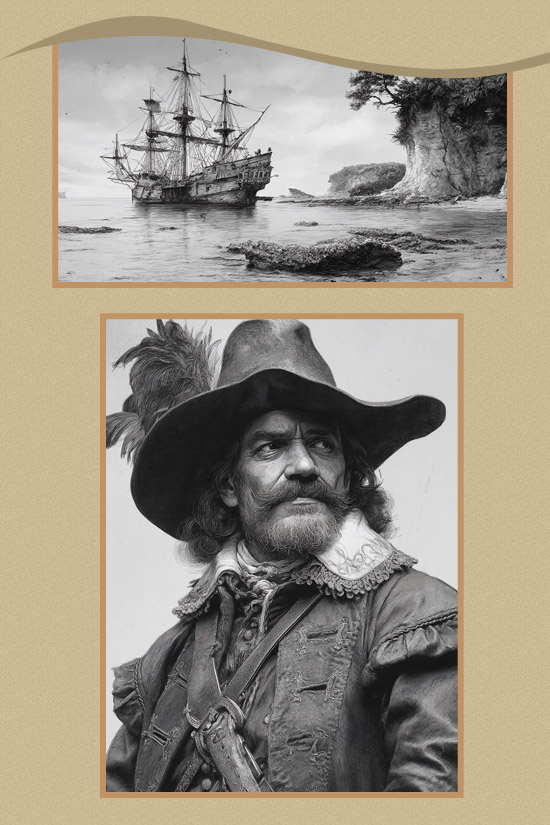
A Captain by the name of Pedro François III of Spain set out on the longest voyage in 1640 to only land himself shipwrecked and stranded on a small banana shaped island. With
little to go on due to undocumented resources, historians believe Pedro may have intended to become lost at sea to escape overwhleming pressure from Spain. The François family
was among one of the richest and most successful in mechant trading during the 16th and 17th century. Upon looking to expand Spain's wealth in the region, they looked upon
their most highly educated captain to seek out riches of gold, spices, and other trade goods.
Pedro never returned to Spain and instead made his new found island his permanent home until his death in 1692. With the use of a few crew members and supplies he has brought with him from Spain, Pedro was able to turn the island of Banana Cove into a highly successful trading and merchant port.
With his woo and charm, Pedro loved greeting visitors to his port, espcially ones that were traveling with fair maidens. Women traveling by ship in those times often faced hazardous, months-long transpacific journeys, and were more than eager to set their feet among solid ground. Pedro's palace found on the northeastern part of the island was an eden with pheromone charm that left his love interests in a delusional state of mind, often leaving many maidens stranded on the island. After his death, it was discovered that Pedro's life on the island had not been unfruitful, and was in fact an unwed father of 12 children.
Far after Pedro's death the François family in Spain started to learn more about Pedro's life on Banana Cove and of the 12 illegitimate children he had with 6 different women. Records showed that 5 of the children eventually made the 8,500 mile journey back to Spain, while the other 7 children continued their lives in various parts of Australia and surrounding islands of the South Pacific.
The François family fortune by this time in Spain came from managing the banking institution "Casa François," which was crucial in financing Spanish industrialization and specifically the railways and mining industries in the early 1900's. Once the Pedro story made mainstream news 2 of the grandchildren that were direct descendants of Pedro François III joined in the family business. One was a great granddaughter named Rosalina and a the other was a great grandson named Francis. While most banking positions during the 1930's were undergoing significant turmoil due to the Great Depression, Francis François prospered as a industrial banker which held significant power and wealth.
On Francis François 68th birthday in 1964 only days before his death he made a bold move and bought the 15 acre island of Banana Cove in the South Pacific. Paying much more than the island was worth Francis left detailed instructions on how to build, manage, and maintain a progressive private island resort. Despite the rumors and suggested details regarding the limitations of the island, Francis and a team of investors interested in his vision used the "low-key" remark to their advantage. Creating the first of it's kind, timeshare.
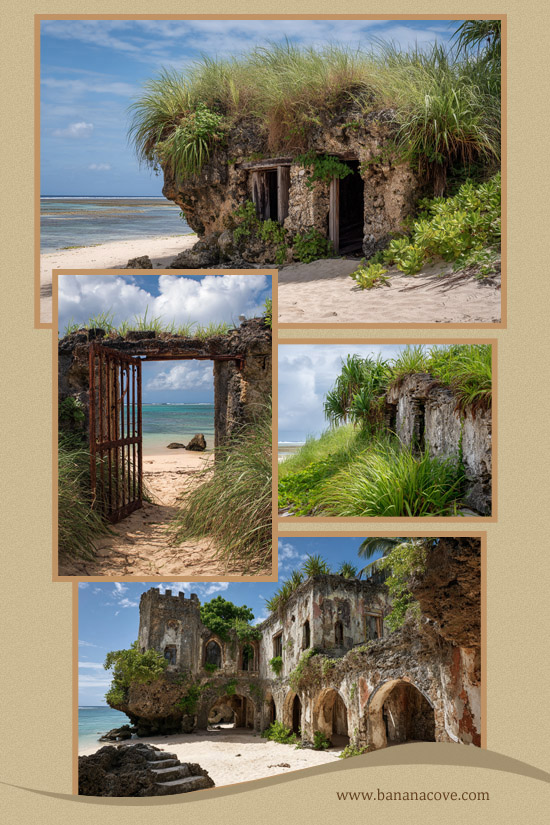
Today some of the original structures from the days of Pedro François III and his quoted "Pedro's Palace" can still be found in ruins scattered throughout portions of Banana Cove. This once marvel of the Pacific that housed families, employed fisherman, and welcomed travelers and explorers from all over the globe became dried up and was left totally abandoned by the turn of the 18th century.
Pedro never returned to Spain and instead made his new found island his permanent home until his death in 1692. With the use of a few crew members and supplies he has brought with him from Spain, Pedro was able to turn the island of Banana Cove into a highly successful trading and merchant port.
With his woo and charm, Pedro loved greeting visitors to his port, espcially ones that were traveling with fair maidens. Women traveling by ship in those times often faced hazardous, months-long transpacific journeys, and were more than eager to set their feet among solid ground. Pedro's palace found on the northeastern part of the island was an eden with pheromone charm that left his love interests in a delusional state of mind, often leaving many maidens stranded on the island. After his death, it was discovered that Pedro's life on the island had not been unfruitful, and was in fact an unwed father of 12 children.
Far after Pedro's death the François family in Spain started to learn more about Pedro's life on Banana Cove and of the 12 illegitimate children he had with 6 different women. Records showed that 5 of the children eventually made the 8,500 mile journey back to Spain, while the other 7 children continued their lives in various parts of Australia and surrounding islands of the South Pacific.
The François family fortune by this time in Spain came from managing the banking institution "Casa François," which was crucial in financing Spanish industrialization and specifically the railways and mining industries in the early 1900's. Once the Pedro story made mainstream news 2 of the grandchildren that were direct descendants of Pedro François III joined in the family business. One was a great granddaughter named Rosalina and a the other was a great grandson named Francis. While most banking positions during the 1930's were undergoing significant turmoil due to the Great Depression, Francis François prospered as a industrial banker which held significant power and wealth.
On Francis François 68th birthday in 1964 only days before his death he made a bold move and bought the 15 acre island of Banana Cove in the South Pacific. Paying much more than the island was worth Francis left detailed instructions on how to build, manage, and maintain a progressive private island resort. Despite the rumors and suggested details regarding the limitations of the island, Francis and a team of investors interested in his vision used the "low-key" remark to their advantage. Creating the first of it's kind, timeshare.
Today some of the original structures from the days of Pedro François III and his quoted "Pedro's Palace" can still be found in ruins scattered throughout portions of Banana Cove. This once marvel of the Pacific that housed families, employed fisherman, and welcomed travelers and explorers from all over the globe became dried up and was left totally abandoned by the turn of the 18th century.